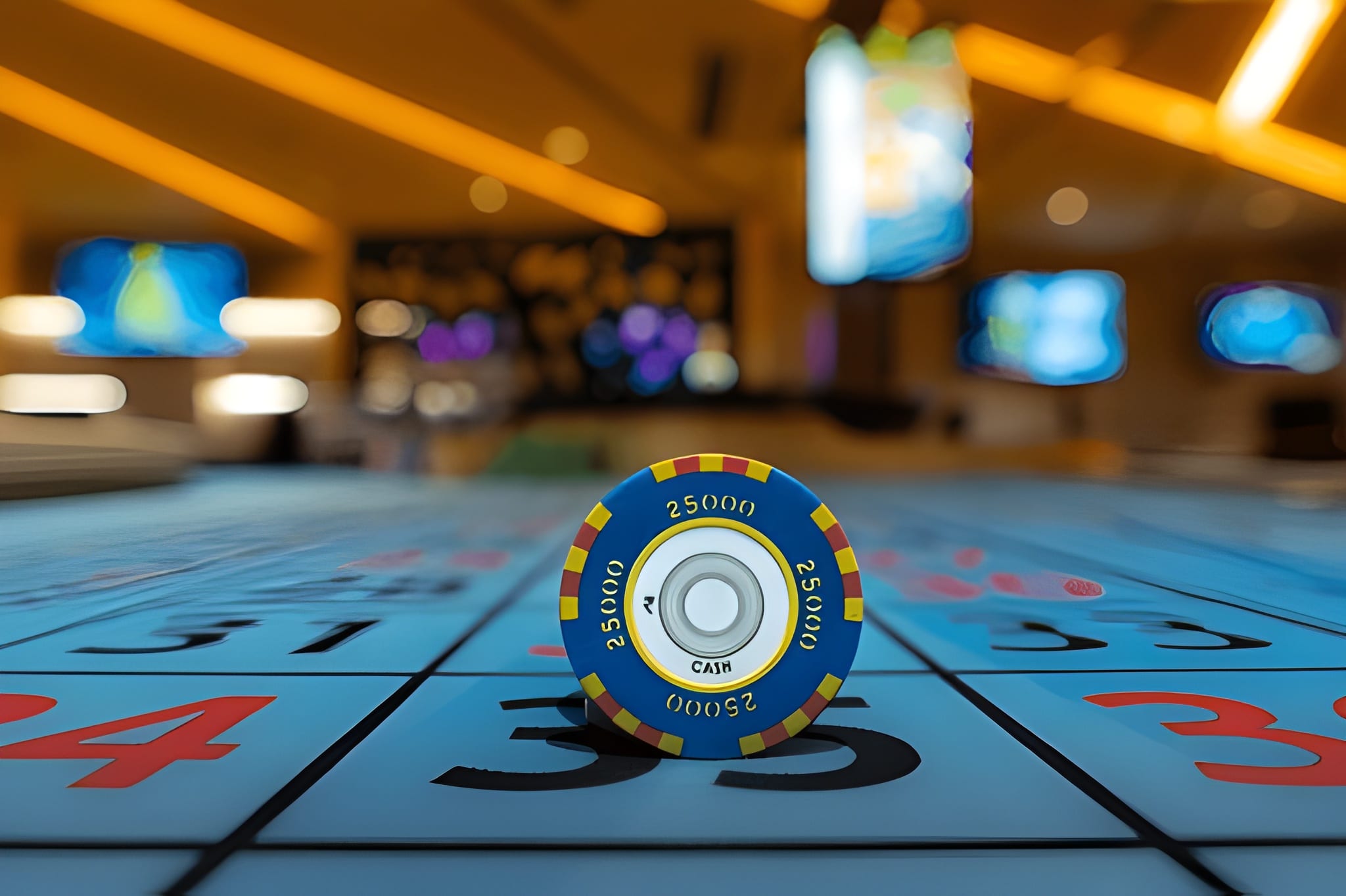
Slot machines have long been a staple of casinos, both online and land-based. Their flashing lights, exciting sounds, and the promise of big payouts attract millions of players each year. But what makes these machines so irresistible? The answer lies in psychology. From the way they are designed to the way we interact with them, slot machines are crafted to appeal to our subconscious desires. In this article, we’ll explore the psychology behind slot machines and why we can’t seem to stop playing on Topan88.
The Thrill of Uncertainty
One of the primary reasons we love to play slot machines is the thrill of uncertainty. When you pull the lever or hit the spin button, you have no idea what the outcome will be. This unpredictability triggers a psychological response in the brain similar to the one we experience when we gamble. The unpredictability of the result keeps players engaged and coming back for more. This is why slot machines are often referred to as “games of chance.” It’s not about skill or strategy; it’s about the excitement of not knowing what will happen next.
The brain’s dopamine system is susceptible to unpredictability. Dopamine is a neurotransmitter associated with pleasure and reward. The release of dopamine makes us feel good and motivates us to continue engaging in the behaviour that triggered it. Slot machines exploit this by providing an unpredictable reward structure, where the excitement of winning is amplified by the uncertainty of when the next win will come. This cycle of anticipation and reward keeps players hooked, even if the wins are rare.
The Role of Near Misses
A significant psychological feature of slot machines is the concept of “near misses.” Near misses occur when the symbols on the reels stop just short of a winning combination. For example, you may see two matching symbols and then a third symbol that is just one position away from completing a winning combination. While this is not a win, it still creates a sense of excitement, as it feels like you were close to a big payout.
Psychologists have shown that near misses can be just as powerful, if not more so, than actual wins. Near misses activate the same areas of the brain as wins, triggering the release of dopamine and making players feel like they are on the verge of a reward. This creates a sense of hope, leading players to continue playing in the belief that they are about to hit the jackpot. It’s this combination of reward anticipation and the illusion of getting closer to a win that keeps people playing.
The Power of Reinforcement
Slot machines use a technique called “variable reinforcement” to keep players engaged. This principle is rooted in operant conditioning, a psychological theory developed by B.F. Skinner. In a variable reinforcement schedule, rewards are given at unpredictable intervals. This means that players don’t know when their successive win will occur, which keeps them on the edge of their seats, eagerly anticipating the next spin.
This type of reinforcement is highly effective because it creates a sense of unpredictability that drives continued behaviour. Players may experience losing streaks, but the occasional win keeps them coming back for more. This is similar to how people can become addicted to other behaviours that offer intermittent rewards, such as checking social media or playing video games. The uncertainty of when the next reward will come encourages players to keep playing, even when they’re not winning consistently.
Visual and Audio Cues
Slot machines are designed to appeal to our senses. The bright, flashing lights and the sound effects that accompany a win trigger a positive emotional response, further reinforcing the desire to keep playing. These sensory cues are strategically used to keep players engaged and enhance the overall gaming experience. When you hear the sound of coins spilling or see the colourful lights flashing after a win, your brain associates these sensory inputs with pleasure and excitement.
On platforms like Topan88, online slot machines use similar techniques to engage players. Although the physical aspects of the machine are absent, digital sounds and visuals mimic the traditional slot machine experience, keeping the psychology of anticipation and reward intact. The flashing lights and celebratory sounds after a win, even if it’s a small one, are designed to reinforce the behaviour and encourage continued play.
The Illusion of Control
Another psychological factor at play in slot machine design is the illusion of control. While slots are entirely random, many players feel they can influence the outcome by controlling aspects of the game, such as how fast they hit the spin button or the number of coins they bet. This feeling of control can be comforting, as it gives players the illusion that they are making decisions that impact the outcome.
Casinos, both physical and online, often capitalise on this illusion. Some games feature “gamified” elements where players can select bonus options or make decisions that seem to affect the game’s results. While these features don’t influence the outcome, they provide players with a sense of involvement and control. This psychological trick keeps players engaged, as they feel they are actively participating in the game rather than passively waiting for results.
The Social Aspect of Slot Machines
Though slot machines are often seen as solitary games, they can have a social element as well. In land-based casinos, players may watch each other play, share their excitement after a win, or talk about strategies. This sense of camaraderie can make the experience more enjoyable. Online casinos like Topan88 have also embraced the social aspect by incorporating chat features, leaderboards, and shared bonuses, allowing players to feel connected to others while they play.
The social element enhances the enjoyment of the game by providing validation and support from fellow players. Winning becomes more rewarding when you can share the experience with others, reinforcing the sense of achievement and excitement.
Conclusion
The psychology behind slot machines is a fascinating combination of unpredictability, reinforcement, sensory stimulation, and the illusion of control. These elements work together to create an experience that keeps players coming back for more. Whether you’re playing in a land-based casino or enjoying slots on platforms, the game’s design is crafted to trigger emotional responses that encourage continued play.
Understanding the psychology behind slot machines can help players approach them with a more mindful attitude. While the thrill and excitement of slot machines are undeniable, recognising the psychological triggers at play can give players a better understanding of why they love to spin the reels.